
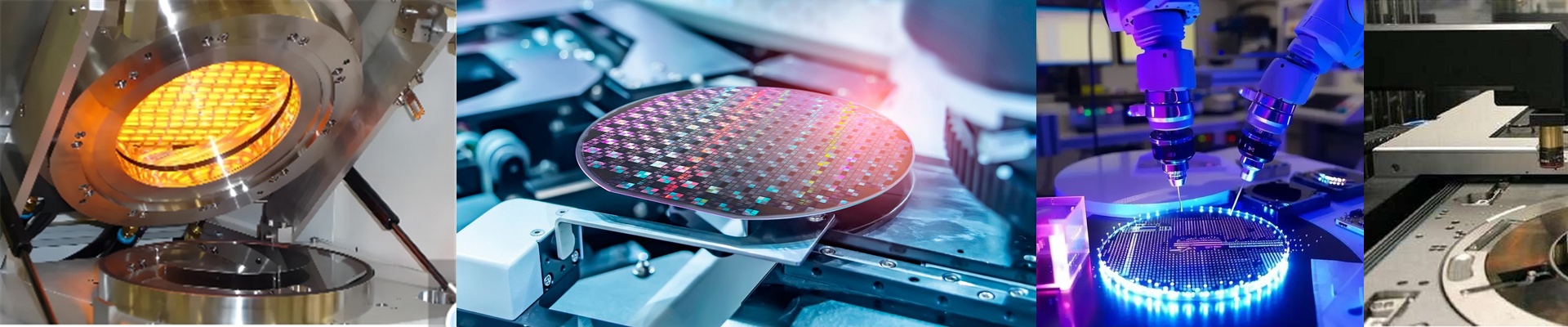

Keeping Things Safe When Heating Volatile Chemicals
Let’s be honest: heating chemicals for semiconductor cleaning is a nerve-wracking job. When you’re working with solvents that love to catch fire or explode, a single stray spark or an exposed heating element isn’t just a “technical glitch.” It’s a disaster. That’s why we stopped using open-element lamps. Instead, we wrap our infrared (IR) heating systems in a specialized seal. It’s a simple change that makes a massive difference in how you sleep at night.
Why the Seal Matters
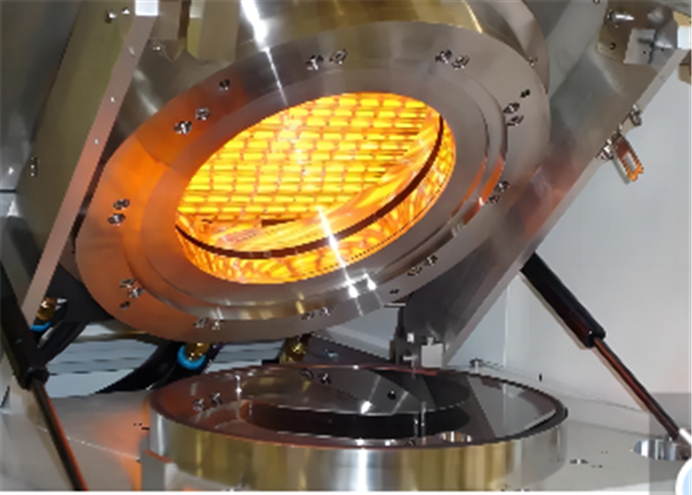
Standard IR lamps are great at pushing out heat, but they leave the electrical terminals and quartz tubes wide open to the air. In a chemical environment, that’s a recipe for trouble. Corrosive vapors can eat through your wiring or seep right into the lamp housing. We handle this by hermetically sealing the whole thing. Think of it as a physical wall between the hot electrical parts and the dangerous gases floating around your workspace. We build these enclosures from materials that don’t flinch when they hit aggressive cleaning agents. The goal is an airtight fit. If the explosive atmosphere can’t get inside, it can’t cause a problem. Simple as that.
Balancing Heat and Safety
Now, you might wonder if sealing the lamp kills the performance. It doesn’t. You still get the rapid response times you need for your wafers. But there is a catch. Sealing a lamp traps heat and builds up internal pressure. It’s a bit of a balancing act. If the housing is too thick, the IR heat can’t get through. If it’s too thin, the seal might crack under the stress. We’ve spent the time tuning these units so they can handle constant heating and cooling cycles without breaking. You’ll notice a tiny dip in efficiency compared to a bare bulb. But honestly? That’s a small price to pay for not blowing up your cleanroom.
Making Life Easier
We also didn’t want you spending hours on maintenance in a hazardous zone. So, we designed these as easy drop-in modules. When a lamp finally burns out, you don’t have to mess around with rewiring in a dangerous area. You just swap the entire encapsulated unit for a new one. It keeps your downtime short. Plus, you know the seal is factory-perfect every single time you plug in a replacement.